
People scroll by heaps of blogs every day, but only the ones with optimized blog content actually get noticed. Every detail matters, from picking the right keywords to choosing eye-catching visuals.
RightBlogger puts smart SEO tools together in one spot, so you can breeze through a clear step-by-step process instead of guessing what Google wants.
Below are actionable steps: from building strong outlines to boosting your post with dynamic visuals for engagement. Creating optimized blog content isn’t just about ranking higher; it’s about reaching more readers and making your blog shine. With the right strategy, you’ll see the difference optimization makes.
Start with Effective Keyword Research Using RightBlogger’s Keyword Tool
Before you put your fingers to the keyboard, you need a plan. This plan should always start with keyword research. Why? Because the right keywords are the backbone of optimized blog content.

Using RightBlogger’s keyword tool, you set your foundation for posts that not only attract readers but also show up where it matters—at the top of search results.
Below, you’ll see how to use this tool the smart way. You’ll discover how to spot winning keywords, match your post with what people really want, and check the competition so you don’t chase impossible targets.

Using RightBlogger’s Keyword Tool: A Step-by-Step Approach
Start by typing your main topic into the RightBlogger keyword tool. Maybe it’s “healthy lunch ideas” or “best dog training tips.” The tool works its magic and brings back lots of related keywords, plus important details like search volume and keyword difficulty.
Here’s how you make sense of it all:
- Relevance first: Scan the results for keywords that fit what your blog post will really cover. Don’t pick keywords just because they’re popular if they don’t make sense for your readers.
- Volume matters: Higher search volume means more people are looking for that topic, but some smaller-volume keywords are less crowded and easier to rank for.
- Difficulty may surprise you: RightBlogger’s tool shows how tough it’ll be to rank on page one. Choose a mix of easier and moderate-difficulty phrases so you can get results faster while building up to tougher keywords later.
If you’re new to this, you might want some background on why keyword research is a big deal. Check out this detailed guide on keyword research for bloggers for extra perspective and best practices.
Matching Keywords to Search Intent for Optimized Blog Content
Getting traffic is great, but getting the right traffic is better. Each keyword is a clue about what someone wants when they search. Are they looking to buy? Do they want information? Are they hunting for a specific site? The secret to optimized blog content is matching your keyword to the searcher’s intent.
For example:
- Informational intent: Keywords like “how to start a vegetable garden” expect a helpful, detailed guide.
- Transactional intent: “Buy running shoes online” needs product links and deals.
- Navigational intent: “RightBlogger login” should directly lead users to their desired destination.
When you match your content to what people want, your blog shines both to readers and search engines. It also boosts dwell time and lowers bounce rates, both of which are great for SEO. For those blogging for a business, fine-tuning intent can make a difference—get inspired with these SEO strategies for small businesses.
Validating Keyword Difficulty Before Committing
You wouldn’t dive into the deep end if you just learned to swim. The same logic applies to tackling super tough keywords when you’re starting out or when your blog needs some growth. RightBlogger’s keyword tool gives you a score for keyword difficulty. Here’s how to use it:
- Low difficulty (easy win): Grab those if your blog is newer or still gaining authority. These keywords might have less traffic, but they’re much more attainable.
- Medium difficulty (balanced): Use these as cornerstone pieces—they’ll need better content and some patience, but they can pay off.
- High difficulty (long-term goal): Save these for when your site is established and you have a few hits under your belt.
To learn more about smart keyword selection, check out what a decade of SEO experience looks like in practice with this guide to keyword research and searcher behavior.
Smart keyword decisions made early save you hours of rewriting and keep your blog focused on growth, not guesswork. If you’re supporting a business, even better—relevant keywords can be the difference between hiding on page ten and being found by real customers.
Generate Content Ideas with the Blog Topic Generator
Once you’ve nailed down the right keywords with RightBlogger, it’s time to put your brainstorming hat on. Even the best writers run out of steam when trying to think up catchy, unique post ideas.
This is where RightBlogger’s Blog Topic Generator steps in like your creative sidekick. Instead of blank stares at the screen, you’ll get a list of blog topic ideas built around your chosen keywords. Think of it as your instant idea factory—no caffeine needed.
How the Blog Post Ideas Generator Turns Keywords into Ideas

After you’re done with keyword research, plug your focus keyword or phrase into the Blog Post Ideas Generator. Instantly, you’ll see a menu of blog title options that are not only relevant but also tailored for optimized blog content. A single keyword suggestion like “time-saving recipes” can turn into ideas such as:
- “10 Time-Saving Recipes for Busy Weeknights”
- “Why Quick Meals Don’t Have to Sacrifice Flavor”
- “Meal Prep Hacks for People Who Hate Cooking”
The real beauty is that these ideas already fit search intent, so you spend less time tweaking and more time writing. This fits the original purpose of building optimized blog content: making posts that people actually search for.
Steps to Refine and Choose Unique, Competitive Topics for Optimized Blog Content
The Blog Post Ideas Generator gives lots of ideas, but not all headlines are winners. Think of this tool like a chef handing you a big ingredient basket—you still need to mix, match, and sometimes swap out ingredients for something better. Here’s how to refine your topic ideas:
- Scan for unique angles: Look at the list and spot topics that stand out from a crowded field. If every other food blog has “Top 10 Summer Salads,” tweak yours to focus on audience needs or add a personal twist.
- Check for competition: Search your headline ideas in Google. If the front page is stuffed with identical posts, think about a side angle or combine two ideas.
- Focus on value: Pick titles that promise real value. “How to Make Healthy Lunches in 10 Minutes” wins over “Lunch Ideas” every time. Be specific and deliver on the headline.
- Test for social appeal: Think about what might get shared. Could your idea play well as a list post or a how-to guide? Short, punchy headlines tend to perform better, both for readers and platforms like Twitter or Facebook.
If you want to make your topics shareable on social media, check out these social media writing tips to give your headlines even more punch.
Fine-Tuning for Maximum Impact
Before calling it a day, run your top headline ideas through the Blog Post Ideas Generator a couple more times, changing up your keywords slightly. Sometimes swapping words or adjusting the angle gives you a headline that’s both search-friendly and irresistible to readers.
By fine-tuning your ideas, you’re not only making your content more competitive but also more likely to be clicked. Drawing inspiration from others is smart—but finding your own unique hook makes your blog stand out.
With the Blog Post Ideas Generator and a little fine-tuning, you move from guesswork to confidence, setting yourself up for optimized blog content that grows your reach every time you hit publish.
Outline Your Post with RightBlogger’s AI Blog Post Outline Generator
Building optimized blog content is a lot like drawing a map before you start a road trip. If you skip the outline, you risk getting lost, repeating yourself, or running off-course from what readers (and Google) really want.
That’s where RightBlogger’s AI Blog Post Outline Generator becomes the secret weapon for bloggers who want every word to count. With just a few clicks, you can frame your post in a clear, strategic way that pleases both your audience and search engines.
Why Your Outline Matters for Optimized Blog Content
The outline is your blog’s blueprint. It holds your main message together, but it also helps Google understand your page. RightBlogger’s tool designs a logical structure by suggesting H2 and H3 headings based on your main and related keywords.
This turns a rambling draft into a streamlined story. By placing your primary keyword, like “optimized blog content,” in main headings and supporting keywords in sub-sections, you tell search engines what your post is about—without forcing it.
A strong outline does more than organize thoughts. It also helps spread keywords throughout your post without making your writing feel robotic. This keeps you from publishing walls of text or missing important supporting topics.
If you want more insights on planning your content for SEO, the Content Optimization Techniques guide shares strategies that blend structure with higher ranking potential.
Using RightBlogger’s Outline Tool: Step-by-Step
Creating an outline with RightBlogger is basically plug-and-play. Here’s how a typical workflow looks:
- Enter Your Focus Keyword: Type in your main topic (e.g., “optimized blog content”). The tool fetches related terms, questions, and subtopics.
- Review AI-Suggested Headings: It auto-generates H2s and H3s tailored to your keyword and niche. You’ll see a mix of main sections and subpoints perfect for breaking up ideas.
- Edit and Personalize: Drag, drop, delete, or rename sections to fit your voice. Add your own knowledge, stories, or FAQs to make sure your outline speaks to your target reader.
- Finalize for Flow and Readability: Double-check the order of your headings. Make sure they follow a logical path—from introduction to details to wrap-up—so readers don’t get lost.
You’ll notice each main heading covers a unique angle, while subpoints make skimming easy. Bulleted and numbered lists are encouraged, especially for step-by-step instructions or key takeaways.
Best Practices for Headings and Structure
To make the most out of RightBlogger’s outline tool, keep these tips in mind:
- Place your primary keyword in at least one H2. Use related phrases or secondary keywords (found from your previous research) in other subheadings.
- Write headings for readers, not just for Google. Clear and simple beats clever and confusing.
- Keep H2s for big ideas, H3s for details. For example, use H2 for “Content Promotion Strategies” and H3 for “Promoting via Email Newsletters” or “Boosting Reach on Social Media.”
- Balance structure and flow. Avoid having too many headings in a row without supporting text—it can feel choppy.
- Keep lists short and sweet. Bulleted sections should help, not overwhelm.
If you’re interested in more creative ways to make content stand out, check out some Creative Content Marketing Ideas to spark inspiration as you plan your outlines.
Planning for Readability and SEO
A thoughtful outline doesn’t just help with keywords and structure. It makes your post easier to read, easier to scan, and more likely to keep visitors hooked from start to finish. Good structure also means your blog stays fresh and relevant longer, ranking well today and tomorrow.
By using RightBlogger’s outline tool, you take the guesswork out of planning. Every post starts with a strong foundation, so you can spend more time writing content that shines—and less time rearranging sentences.
Write and Optimize the Draft with the AI Blog Writer and Content Optimization Tool
Now that you’ve mapped your content and have juicy keyword-rich ideas in hand, it’s time to put them into action. RightBlogger’s AI blog writer and Content Optimization Tool take over at this stage, helping you turn a blank page into polished, optimized blog content.
This is the point where your outline becomes a real, readable post—ready for both your audience and search engines. If you value efficiency and want to avoid headaches, these tools are essentially your best friends.
Using RightBlogger’s AI Content Writer for Your First Draft
With your outline fresh, feeding it into the AI blog writer is as simple as copy-paste. Let the tool generate your initial draft based on the headline and subheads.

The AI keeps things organized, weaving your primary focus—optimized blog content—throughout the article without resorting to awkward repetition.
- Stay involved: Edit as you go, guiding the AI with your own voice and flair. Toss in examples, quick stories, or your own experiences to keep the content real.
- Add personality: No one wants a robot writing their blog. Break up paragraphs, throw in humor, use personal pronouns, and keep the tone conversational.
- Balance keywords: Sprinkle your main phrase, optimized blog content, in top spots like the first 100 words, a few subheadings, and the final summary. Always aim for a natural feel.
The AI content writer drafts fast, so you spend more time improving and less time worrying about the first version.
Fine-Tuning for Optimized Blog Content with the Optimization Tool
Draft in hand, the real magic happens with RightBlogger’s Content Optimization Tool. This is a new feature that scans your work and suggests practical tweaks—think keyword usage, heading improvements, and readability. It’s like having an expert editor who never tires or asks you to buy more coffee.

Here’s what you can do with the tool:
- Highlight missing keywords: Make sure all your chosen key phrases show up naturally.
- Punch up headings: Edit H2s and H3s so they signal main points for readers and Google, but avoid sounding stiff.
- Spot overused words: Balance is key. You want your main keyword—optimized blog content—to flow, not crowd the post.
- Refine meta details: Use the tool’s tips to update your title, meta description, and intro for more clicks.
If you’re itching to learn about strategies that go beyond the basics, the post on Content Optimization Strategies is worth checking for visual techniques that connect with readers.
Smart SEO Moves: On-Page Tweaks for Best Results
Optimizing blog drafts isn’t only about keywords. Little changes in structure and style can give your post a real bump in the rankings. Here are some quick wins:
- Short, direct sentences keep readers moving.
- Numbered and bulleted lists break up ideas so people don’t get lost in giant paragraphs.
- Strategic bold text draws eyes to key takeaways—you want your best advice to pop.
- Internal links keep readers on your site (and help with SEO). Want ideas? Visit this guide to High Quality SEO Techniques for extra methods you can easily add to your posts.
Optimizing with RightBlogger’s tools means you get more than just a publishable post. You get streamlined, focused, and competitive content that stands out. If you’re visually minded, you can also brush up on Visual Search Optimization Strategies to make your posts more discoverable through images.
Continue refining until you’re satisfied with how it reads and ranks, then prepare to move on to the finishing touches.
Polish, Proofread, and Finalize for Publication
Let’s face it: you can nail keywords, ace your outline, and work magic with RightBlogger’s AI tools, but the post still needs that final polish before you hit publish. This is where the difference between “just okay” and “ready for the spotlight” blog content really shows. With RightBlogger, you get more than spellcheck—you get a ready-made suite for grammar, originality, and readability tweaks that turn a draft into a pro-level post.
Using RightBlogger’s Grammar Checker
First up: grammar cannot trip you up if you use RightBlogger’s built-in checker. Simple mistakes and awkward sentences make readers bolt and can sabotage your optimized blog content before it gets a chance to shine.
- Click the grammar check button: RightBlogger highlights misspelled words, grammar errors, and even iffy punctuation. It’s fast.
- Review suggestions: Don’t just click “accept all.” Each suggestion is an opportunity to learn and refine your writing voice.
- Adjust for flow: If a sentence feels stiff or robotic, reword it. Keep it real and friendly. People remember how your words sound, not your grammar score.
Final On-Page SEO Checks Before Publishing
You’re nearly there—the last step ties everything together for a great reader experience and strong rankings. Before you launch your optimized blog content into the wild, double-check these final on-page SEO tips:
- Review your meta details: Make sure your meta title and description include your best keyword. Keep them clear and inviting.
- Optimize headers: Your H2s and H3s should tell the reader (and Google) exactly what each part covers. No fluff.
- Internal linking: Slip in a few natural links to other helpful posts on your site. For a solid next step, point readers to this guide on how to Boost Blog SEO Rankings.
- Alt text for images: Describe every image with simple words, using a keyword if it fits.
- Preview your post: Click “preview.” Read your content as if you’re a visitor. Fix anything that feels off or unfinished.
Every little tweak adds up. Small details make a memorable difference, turning decent blog content into optimized blog content that’s ready to rank, get read, and get shared.
Key Takeaways
Optimized blog content starts with smart keyword research, matches search intent, and uses strong outlines. Add clear headings, use lists, and break up text with visuals. Write naturally, proofread, and polish with on-page SEO tweaks. Consistent steps make your posts easier to find, read, and share.
Final Thoughts About Optimized Blog Content
Streamlined blogs win every time. With RightBlogger, you move from fuzzy ideas to optimized blog content—step by step, no guessing required. Starting with smart keyword research, refining your topic, outlining with clarity, writing with the right focus, and polishing with built-in tools, your content becomes both search-friendly and people-friendly.
A repeatable process like this saves time and helps you grow your blog with less stress. The real power lies in consistent small upgrades, all built on a strong foundation. For those ready to dig deeper, see how High Quality SEO Services supercharge results beyond the basics.
Ready for better posts and more eyes on your work? Give these steps a go and watch your optimized blog content stand out. Thanks for reading—and don’t forget to share your best tips or wins in the comments so that others can learn, too.
Try RightBlogger for FREE!
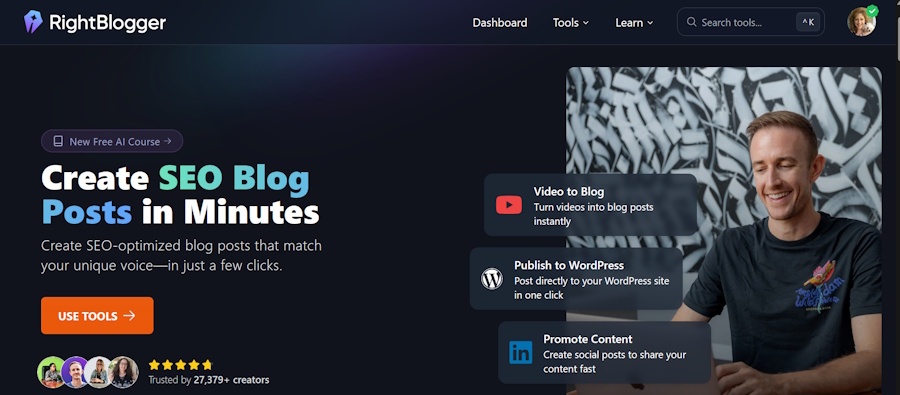
RightBlogger packs over 80 handy AI tools for bloggers and marketers. You’ll find tools for blogging, SEO, social media, sales, and boosting productivity all in one spot.
Pricing is simple: $29.99 per month, or save with their yearly plan at $24.99 a month, billed $299.99 once for the year (that’s two months on the house). They keep things fresh by adding new tools often.
You can try it free without handing over your credit card. Give it a spin and see what you think.

As a Visual Digital Marketing Specialist for New Horizons 123, Julie works to grow small businesses, increasing their online visibility by leveraging the latest in internet and video technologies. She specializes in creative camera-less animated video production, custom images, content writing, and SlideShare presentations. Julie also manages content, blog management, email marketing, marketing automation, and social media for her clients.




0 Comments